How Is AI Really Changing the Job Market? A Look at Two Landmark Studies

Martín Marlatto
CSO at WillDom | Partner
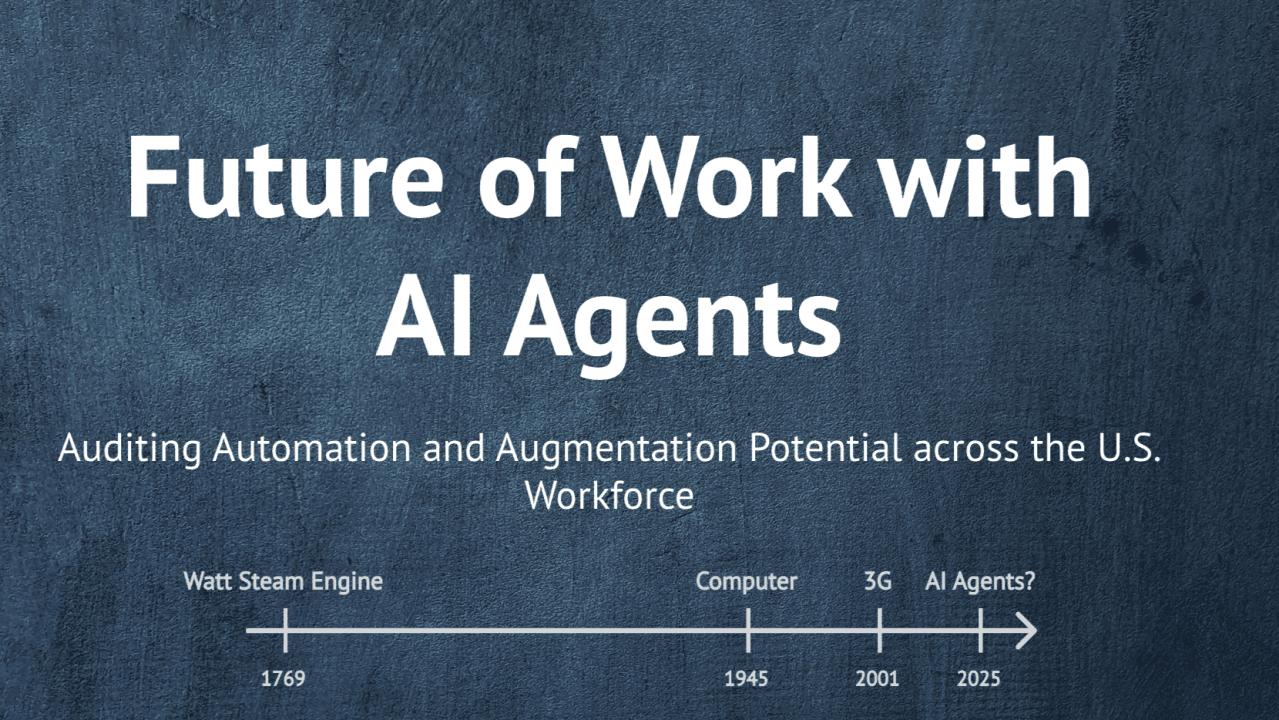
The debate over AI's impact on jobs is heating up. Two major new studies—"Tracking Employment Changes in AI-Exposed Jobs" and "Canaries in the Coal Mine? Six Facts about the Recent Employment Effects of Artificial Intelligence"—offer fresh, sometimes contrasting, perspectives on what's happening in the American workforce.
What Do the Studies Say?
Tracking Employment Changes in AI-Exposed Jobs (Chandar, 2025) leans toward a nuanced, less-alarmist view. Using U.S. Current Population Survey data, it finds that "contrary to displacement fears, occupations most exposed to AI on average show no substantial difference in employment or earnings growth compared to the least exposed."
However, the story changes when you look closer: "Within the most exposed quartile, occupations with a higher share of college-educated workers, such as software developers, have experienced robust employment growth, while those with a lower share, like customer service, have seen declines." The paper also highlights that "the analysis reveals a divergence between job posting data and realized employment, urging caution when inferring labor market trends from postings alone."
On the other hand, Canaries in the Coal Mine? (Brynjolfsson, Chandar & Chen, 2025) uses high-frequency payroll data to reveal sharper risks for young workers. The authors report: "We find that since the widespread adoption of generative AI, early-career workers (ages 22-25) in the most AI-exposed occupations have experienced a 13 percent relative decline in employment even after controlling for firm-level shocks."
In contrast, "employment for workers in less exposed fields and more experienced workers in the same occupations has remained stable or continued to grow." The study also notes, "employment declines are concentrated in occupations where AI is more likely to automate, rather than augment, work."
Key Points of Agreement and Contrast
Aggregate vs. Subgroup Impact
Both studies agree that the overall labor market hasn't seen mass job loss from AI. But "Canaries in the Coal Mine" uncovers clear, early warning signs for entry-level workers in AI-exposed roles, while "Tracking Employment Changes" sees more muted or mixed effects at the aggregate level.
Education and Experience Matter
Both highlight that education and experience are protective factors. As Chandar's study puts it, "employment share increases in more educated exposed occupations and employment share declines in less educated exposed occupations."
Meanwhile, Brynjolfsson and colleagues argue that "AI may be less capable of replacing tacit knowledge, the idiosyncratic tips and tricks that accumulate with experience," which buffers older workers.
Automation vs. Augmentation
The "Canaries" paper draws a sharp distinction between jobs where AI automates versus augments work, finding that automation is where the real risks lie for young workers.
Job Postings vs. Real Employment
Both studies warn against reading too much into job posting data. Chandar's analysis finds, "the decline in job postings is not matched by a decline in employment in the software development occupation in the CPS," and Brynjolfsson et al. similarly note that job postings and employment can tell different stories.
Final Thought and Conclusion
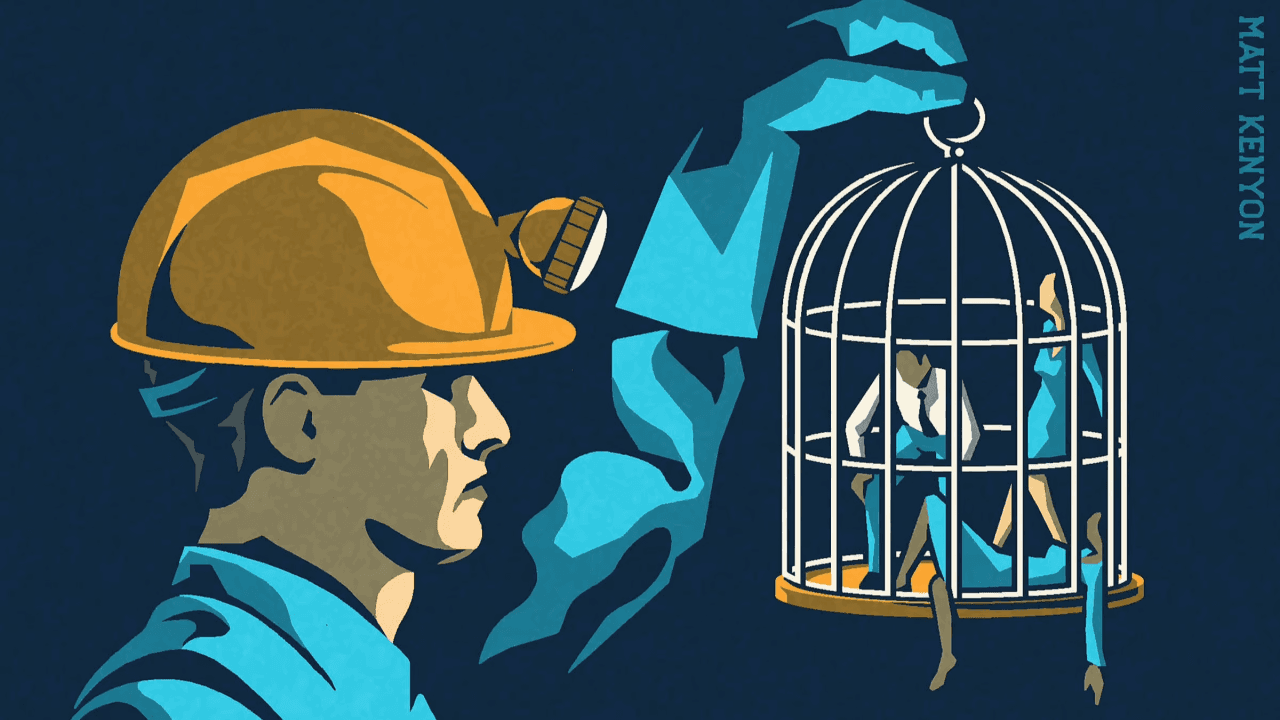
The bottom line? The AI revolution is not a one-size-fits-all story. While the overall job market remains resilient, there are clear "canaries in the coal mine"—especially among young, entry-level workers in highly AI-exposed roles—where the risk of displacement is real and measurable.
As both studies suggest, "worker characteristics such as education potentially influence displacement from new technologies." The future of work will be shaped not just by the spread of AI, but by how workers, employers, and policymakers respond—by investing in education, fostering adaptability, and tracking the data over time.
The message for professionals: stay curious, keep learning, and don't just watch the headlines—look at the data.
Sources:
- Tracking Employment Changes in AI-Exposed Jobs
- Canaries in the Coal Mine? Six Facts about the Recent Employment Effects of Artificial Intelligence
Note: Written with a little help from my LLM :)